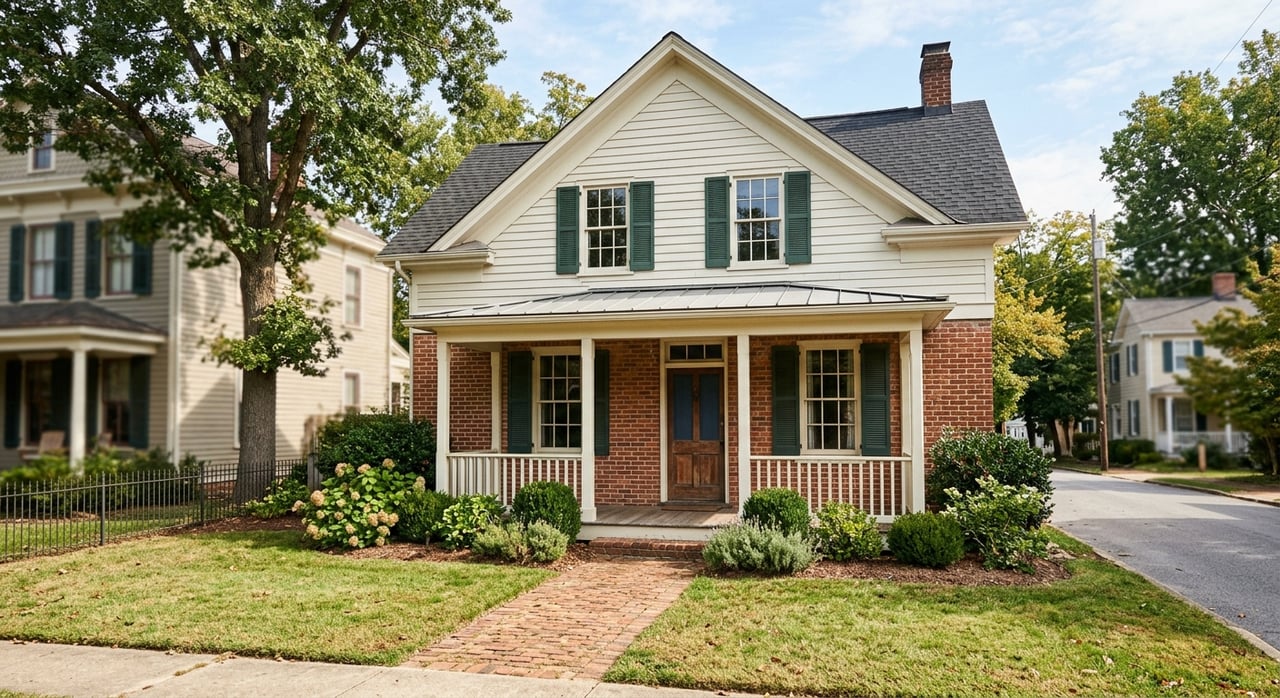
Dreaming about a historic home in Occoquan? It is easy to see the appeal. You get river-town charm, walkable streets, and architecture that feels rooted in place, but you also take on a different kind of ownership experience than you would with a newer home. If you are considering buying in Historic Occoquan, this guide will help you understand what to expect with home styles, renovation rules, ownership costs, and everyday life so you can move forward with confidence. Let’s dive in.
Why Historic Occoquan Stands Out
Occoquan is a small riverfront town about 20 miles south of Washington, DC, with just over 1,000 residents and more than 80 small, family-owned businesses. Its historic core covers 13.25 acres and has deep ties to the Occoquan River, the town’s mill economy, and its compact street grid.
What makes that history especially appealing is that it is still part of daily life. The parks, waterfront access, shops, restaurants, museum, and annual events sit inside or right next to the historic area, so owning here often means living in the middle of an active, lived-in town rather than a place that feels frozen in time.
What Historic Homes Look Like Here
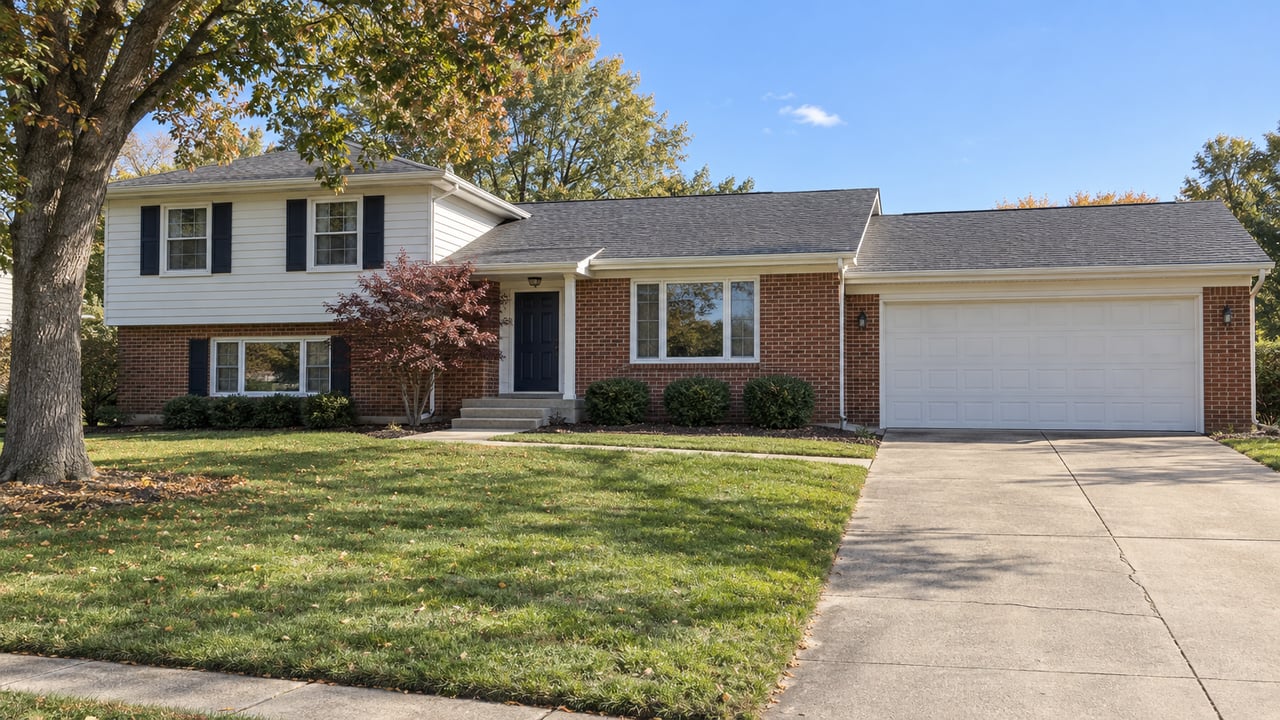
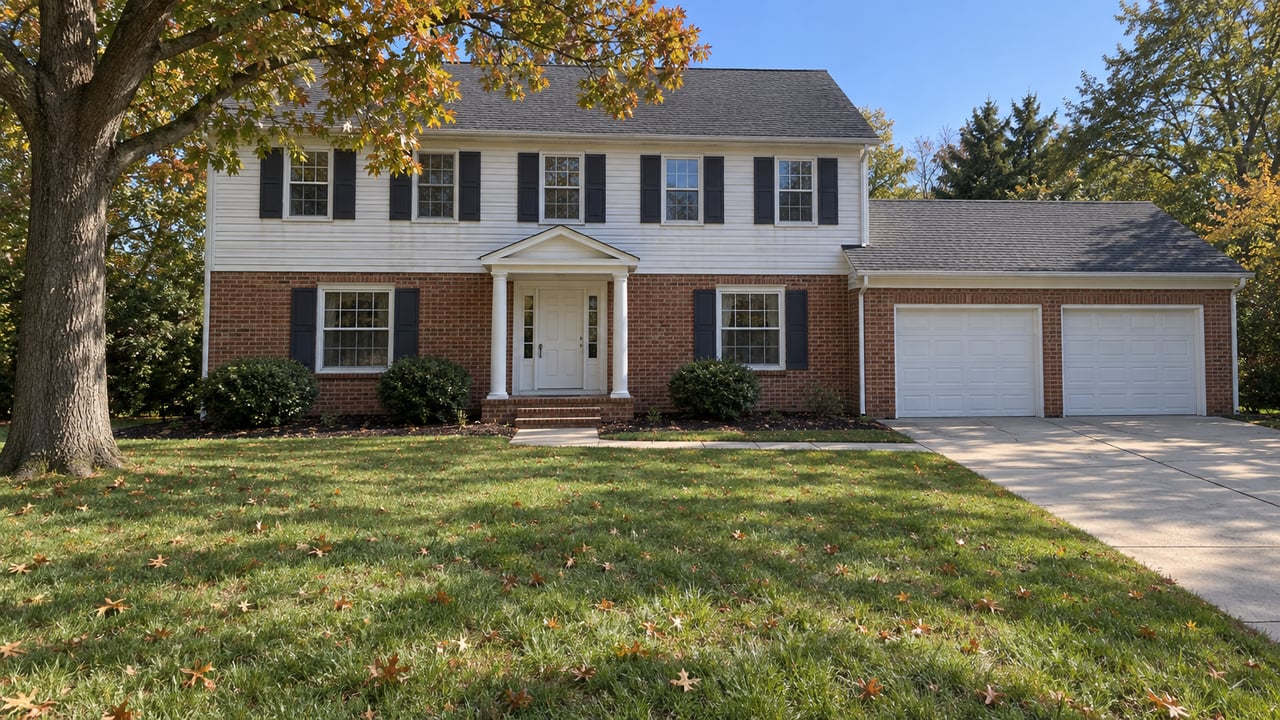
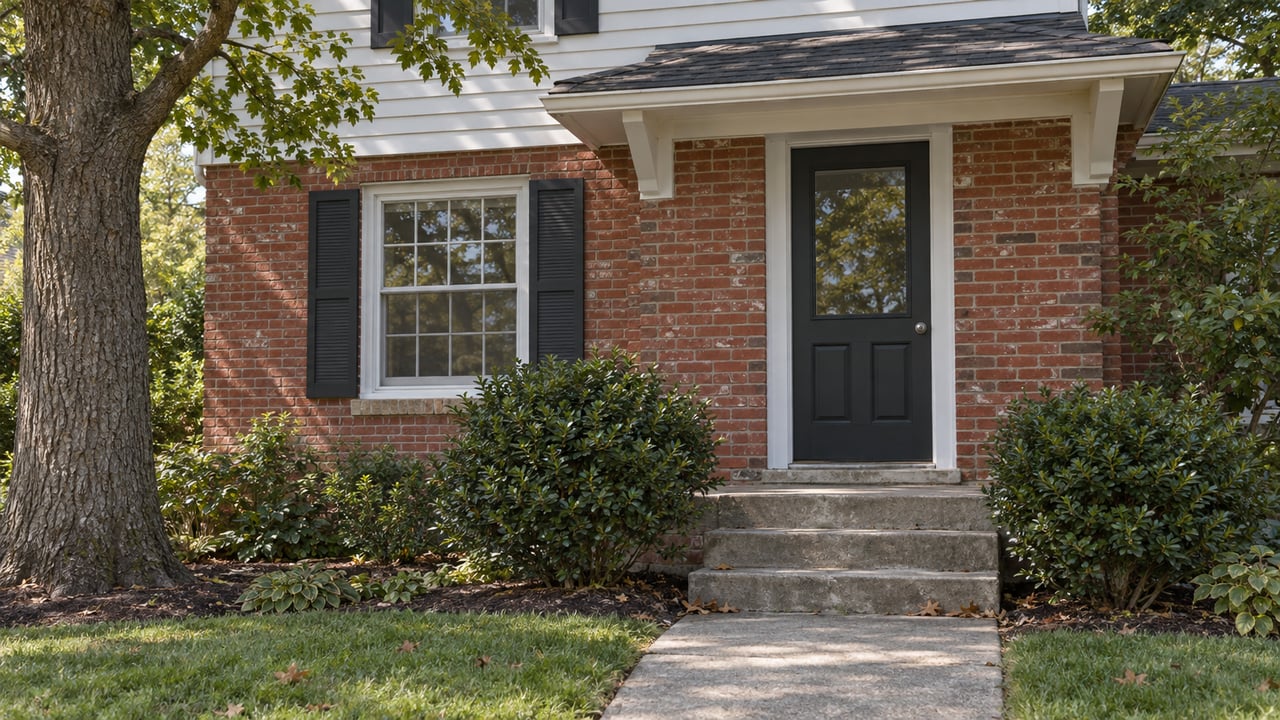
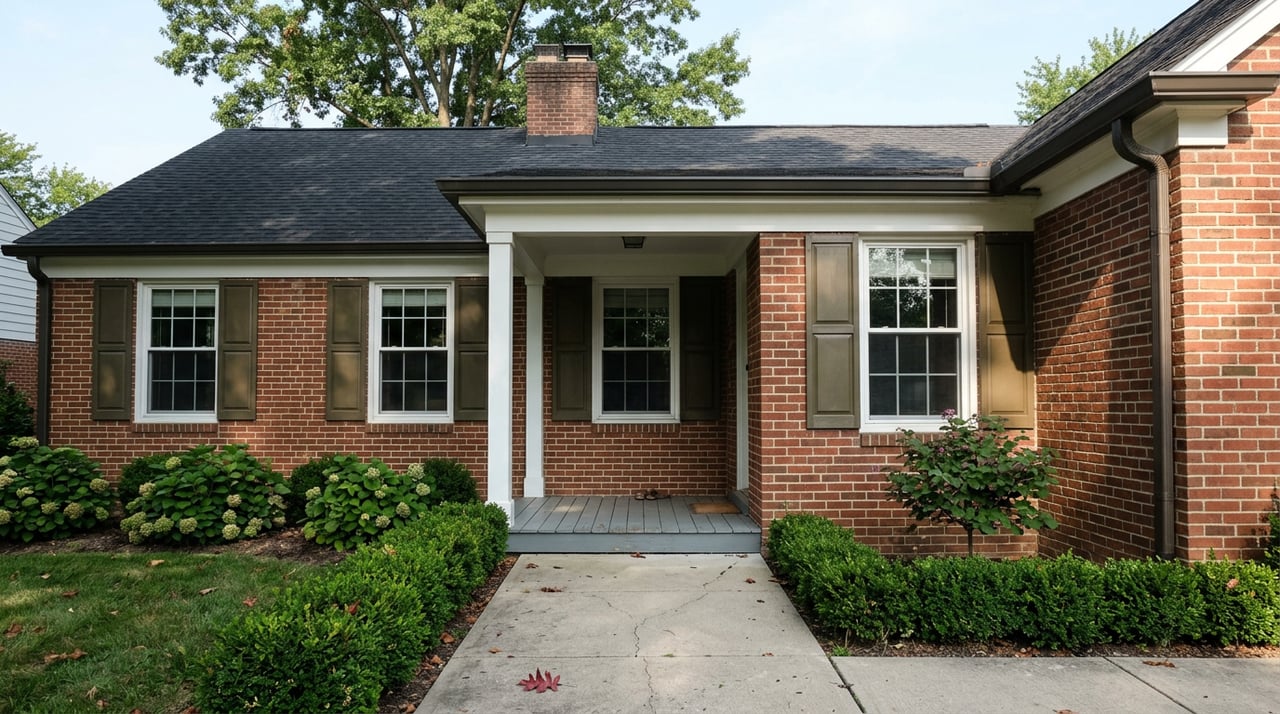
Historic Occoquan does not follow a one-size-fits-all formula. The housing stock is mostly late-19th- and early-20th-century vernacular residential and commercial architecture, with many two-story frame homes, porches, German siding, and simple detached forms.
You will see these patterns most often on Commerce, Union, and Washington streets. Mill Street tends to be tighter and more commercial, and some homes from the late 1800s were later converted into shops, which adds to the district’s layered character.
The area also includes a mix of contributing, altered, and newer structures. That matters because not every property inside the district carries the same historic significance or the same renovation considerations.
Expect Variety in Size and Lot Layout
If you are picturing every historic home in Occoquan as a small cottage, it helps to reset expectations. Public listings in and around Historic Occoquan show a wide size range, from smaller homes around 1,300 square feet to much larger waterfront properties above 8,000 square feet.
Lot sizes vary too, but compact in-town lots are common. At the same time, there are occasional larger riverfront parcels, so your experience can look very different depending on where the property sits and how close it is to the core historic streets.
What To Check Before You Buy
Before you fall in love with paint colors or porch details, focus on the property’s status and limits. In Historic Occoquan, early due diligence can save you time, money, and frustration later.
Here are some of the most important questions to ask:
- Is the home a contributing structure in the historic district?
- Have past exterior changes altered its historic character?
- What visible exterior updates might need review or approval?
- Are there any plans for additions, roof work, windows, or solar panels?
- Will you want to pursue any historic rehabilitation tax credits?
A home’s contributing status is especially important if you are counting on renovation flexibility or possible tax incentives. It is one of the first details worth confirming when you start serious discussions about a property.
Exterior Changes Usually Need More Planning
One of the biggest differences with a historic home is that visible exterior work may involve review. Occoquan’s Architectural Review Board, or ARB, looks at exterior work visible from public streets and reviews things like design, arrangement, texture, material, color, and compatibility with nearby buildings.
That means changes to the parts of the home people can see often require more thought than they would in a non-historic setting. If you plan to update siding, replace windows, alter a porch, change the roofline, add an awning, or install skylights, you should expect a more detailed approval process.
The goal is not to stop change altogether. It is to preserve the town’s street-facing historic character while allowing homes and buildings to remain useful in everyday life.
Interior Changes Are Usually More Flexible
The good news for many buyers is that interior arrangements are generally outside ARB review. The board focuses on exterior features visible from public view, not the unseen details inside your home.
That can give you more flexibility if your priorities are layout, kitchen updates, bathrooms, storage, or other interior improvements. You still need to follow any permit requirements that apply, but the historic review process is mainly about what affects the public-facing appearance of the property.
Permits in Occoquan: How the Process Works
In Occoquan, a building permit is required when constructing, enlarging, altering, repairing, or demolishing a building or structure. The town handles zoning approval first, and Prince William County issues the actual building and trade permits.
For buyers, that means the process can involve more than one step. If you know you want to renovate, it is smart to understand both the local design review side and the permit side before closing so your timeline and budget are realistic.
Additions and Modern Upgrades Need Careful Design
Historic ownership often comes with trade-offs, especially when you want to add modern features. In Occoquan, additions should generally be minimized or tucked out of view, and materials should remain compatible with the historic building and surrounding structures.
The ARB guidelines also cover features buyers often ask about, including roofs, windows, skylights, satellite dishes, utility screening, awnings, and solar panels. Solar is allowed, but for contributing structures the panels should be flush-mounted and closely match the roof color.
If your wish list includes visible updates, the best mindset is flexibility. You may still be able to make the changes you want, but the design approach matters.
Historic Tax Credits: What Buyers Should Know
Historic tax credits can be a meaningful benefit, but they are not automatic. Virginia’s state historic rehabilitation tax credit can apply to owner-occupied homes as well as income-producing buildings.
That is an important distinction for buyers who plan to live in the home. By contrast, the federal historic rehabilitation credit is limited to income-producing properties.
In both programs, the building must qualify as historic or contributing, and the work must meet the Secretary of the Interior’s Standards. If tax credits are part of your financial plan, confirm eligibility early before making assumptions about your renovation budget.
Ownership Costs Include Town and County Taxes
When you budget for a home in Occoquan, remember that owners in town pay both Town of Occoquan and Prince William County real estate taxes. That does not necessarily make ownership a bad value, but it does mean your cost planning should be thorough.
Historic homes can also bring maintenance items that differ from newer properties, especially when older materials or compatibility standards come into play. Even if you love the character, it is wise to leave room in your budget for ongoing upkeep and thoughtful repairs.
Daily Life in Historic Occoquan
A big part of the value here is not just the architecture. It is the way the town lives.
Occoquan offers a free kayak launch ramp, Mamie Davis Park with a boardwalk and pier, and River Mill Park with a trail, pavilion, and river views. The town also has more than 80 businesses, including restaurants and art galleries, along with a busy arts and cultural presence.
For buyers who want a walkable setting with things to do nearby, that daily convenience can be a major draw. The Mill House Museum is also free and open daily except Wednesdays, which adds another layer of connection to the town’s history.
Is a Historic Home in Occoquan Right for You?
A historic home in Occoquan can be a great fit if you value character, location, and a strong sense of place. You may love it here if you want a compact river-town setting where history, local business activity, and waterfront amenities all intersect.
At the same time, it helps to be realistic. You should expect more oversight for visible exterior changes, and you should verify a home’s historic status early if renovation plans or tax incentives matter to you.
The right purchase usually comes down to fit. If you appreciate preserved street-facing character and can work within the town’s review process, Historic Occoquan offers a distinctive ownership experience that is hard to replicate elsewhere in Northern Virginia.
If you are weighing whether a historic home in Occoquan matches your goals, working with a local team can make the process much clearer. Meghan M Wasinger can help you evaluate property status, compare lifestyle trade-offs, and find the right fit for how you want to live.
FAQs
What should you know before buying a historic home in Occoquan?
- You should confirm whether the home is a contributing structure, review any limits on visible exterior changes, and understand that renovation plans may involve both town zoning approval and Prince William County permits.
Do interior renovations in Historic Occoquan need Architectural Review Board approval?
- Interior changes are generally outside ARB review because the board focuses on exterior features visible from public streets.
Can you add solar panels to a historic home in Occoquan?
- Yes, solar panels are allowed, but contributing structures must use flush-mounted panels that closely match the roof color.
Are historic tax credits available for owner-occupied homes in Occoquan?
- Virginia’s state historic rehabilitation tax credit can apply to owner-occupied homes, while the federal historic rehabilitation credit is limited to income-producing properties.
What taxes do homeowners pay in the Town of Occoquan?
- Homeowners in Occoquan pay both Town of Occoquan and Prince William County real estate taxes.
What is daily life like near Historic Occoquan homes?
- Daily life can include easy access to waterfront parks, a free kayak launch, local shops and restaurants, art galleries, town events, and the Mill House Museum.