Choosing between a townhouse and a condo in Old Town Alexandria can feel harder than it should. Both options put you close to the waterfront, restaurants, parks, and transit, but the ownership experience can be very different once you factor in space, maintenance, parking, and historic district rules. If you are trying to decide which one fits your lifestyle best, this guide will help you compare the trade-offs in a practical way. Let’s dive in.
Old Town housing has its own rules
Old Town is not just another Northern Virginia neighborhood. Alexandria describes it as the city’s historic urban core, with roots going back to 1749, and much of it sits within a National Register Historic District.
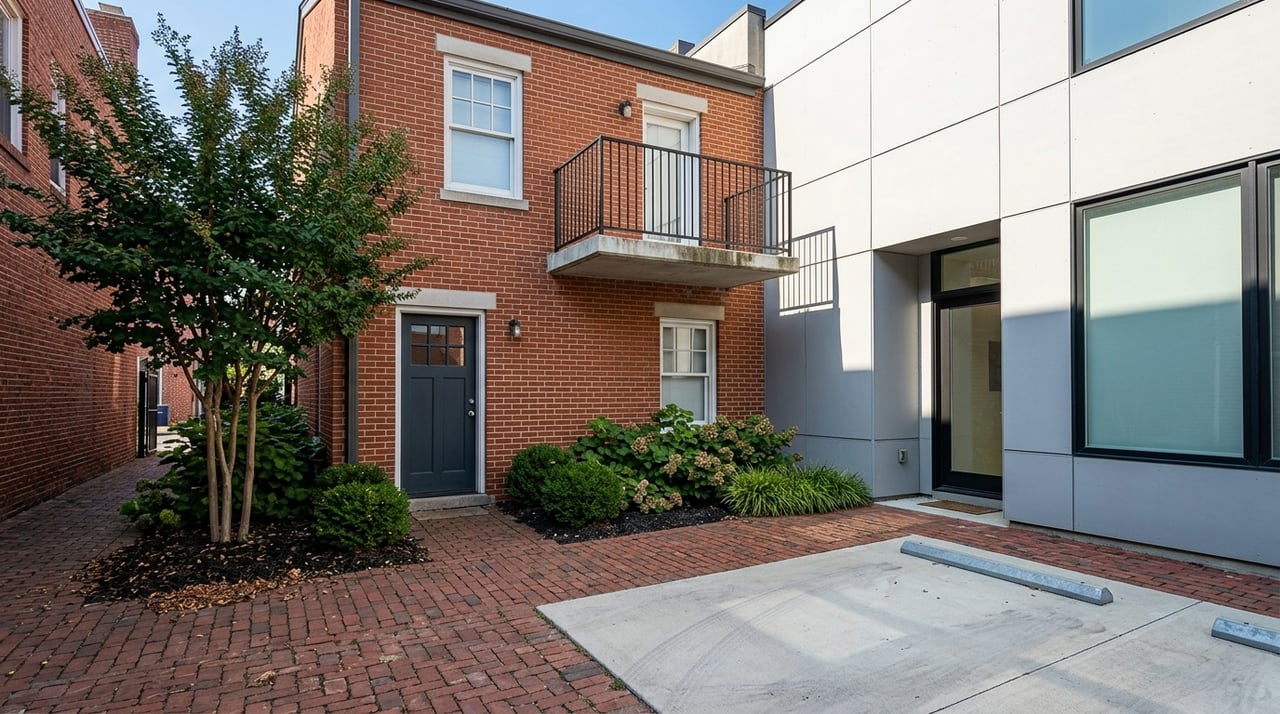
That history shapes what you buy here. Many homes are compact, close together, and part of an older urban street pattern. In Old Town, a townhouse often means a narrow, historic, house-like home on a smaller lot, not the larger suburban townhouse model you may picture elsewhere.
There is also an important preservation layer to keep in mind. In the Old & Historic Alexandria District, exterior changes visible from a public right of way generally require a Certificate of Appropriateness, so both condo and townhouse buyers should think carefully before assuming they can update windows, railings, porches, or other visible exterior features freely.
Townhouse vs condo ownership basics
A condo and a townhouse can look similar from the street in Old Town, but the ownership structure behind them is often very different. That difference affects your costs, responsibilities, and day-to-day experience.
With a condo, you typically own your individual unit and share an interest in the common elements. Under Virginia condominium law, the association is generally responsible for maintaining and repairing common elements, while you remain responsible for your unit unless a problem originates in or through the common elements.
With a townhouse, ownership is often more house-like, but the rules can vary by community. Some townhouse properties are part of a property owners’ association with shared maintenance obligations and required dues, while others have fewer shared responsibilities.
Space and layout differences
Why townhouses often feel larger
If space is high on your list, a townhouse may feel like the better fit. In Old Town, townhouses and townhouse-like buildings are common, and they often provide more separation between living areas than a condo.
That does not mean every townhouse is large. Old Town’s housing stock is shaped by its older urban fabric, so many townhouses are compact compared with suburban homes. Still, the vertical layout and separate floors often create a more private, house-like feel.
Why condos appeal to simpler living
Condos tend to be the more compact option. If you want a home base that feels efficient and easy to manage, that can be a real advantage.
For some buyers, less space is not a downside. It can mean less upkeep, fewer rooms to furnish, and a more lock-and-leave lifestyle if your schedule keeps you busy or you travel often.
Maintenance and monthly costs
Condo dues are often more predictable
One of the biggest reasons buyers choose a condo is maintenance structure. Because the association is generally responsible for shared elements, condo dues often fund common-area upkeep, reserves, and building-related obligations.
That can make monthly costs feel more predictable. You are usually trading some independence for a more structured system of shared responsibility.
Townhouse costs can vary more
Townhouses are less consistent in this area. A townhouse community may have meaningful monthly dues, very low dues, or little to none, depending on the declaration and what the association maintains.
That means you need to look past the payment amount and ask what is actually covered. A lower monthly fee is not always the better value if more maintenance falls directly on you.
Parking can be a major deciding factor
In Old Town, parking is not a small detail. It is often one of the biggest lifestyle differences between one property and another.
The city notes that on-street metered parking in Old Town is typically limited to two hours. It also says that some residential blocks use higher rates for non-residents to help residents without off-street parking find spaces near home.
Condo parking needs a close read
If you are buying a condo, review the resale or offering materials carefully. Virginia condominium regulations require disclosure of how many parking spaces are available per unit, along with any restrictions or charges tied to those spaces.
That matters because one condo may include a dedicated space, while another may rely on separate arrangements or extra fees. In a neighborhood like Old Town, that difference can affect your routine every day.
Townhouse parking can be a real advantage
A townhouse with a private garage, driveway, or deeded parking space can offer meaningful convenience. In Old Town, that feature can be especially valuable if you drive often or want easier guest access.
Still, parking is highly property-specific. You should confirm exactly what comes with the home instead of assuming a townhouse automatically solves the parking question.
Outdoor space and exterior changes
Condos often share outdoor areas
Outdoor space in a condo is often more limited. In many cases, features like balconies, patios, or porches may be treated as limited common elements under Virginia law rather than fully private yard space.
That setup works well for buyers who want some outdoor access without taking on yard care. But if you picture a truly private outdoor area, you will want to confirm how that space is defined and maintained.
Townhouses may offer more direct access
Townhouses often give you more direct outdoor access than condos. That can be appealing if you want a small patio, courtyard feel, or easier entry without shared hallways.
Even so, Old Town buyers need to remember the historic district factor. Exterior features visible from a public right of way may be subject to review, so your ability to change visible outdoor elements may be more limited than you expect.
Walkability and transit are strengths for both
No matter which property type you choose, Old Town’s walkable setting is a major draw. The city highlights parks, trails, shops, dining, historic sites, and the waterfront marina within the neighborhood.
Transit access also adds flexibility. The King Street Trolley runs daily every 15 minutes between King St-Old Town Metro and City Hall/Market Square, and the King Street hub also connects with DASH, Amtrak, and VRE. Reagan National Airport is about 5 to 10 minutes from Old Town, according to the city.
For buyers who want to walk, bike, or use transit for many daily needs, both condos and townhouses can work well. The real difference is usually whether you want lower-maintenance convenience or more private, house-like living.
Which option fits your lifestyle?
Condo buyers often prioritize convenience
A condo often fits best if you want a low-maintenance home close to transit, dining, and the waterfront. This can make sense for buyers who value convenience, predictable shared upkeep, and an easy day-to-day routine.
Condos can also work well if you are downsizing and want to keep your lifestyle simple without giving up a walkable location. If your top priorities are ease and access, a condo may check more boxes.
Townhouse buyers often prioritize flexibility
A townhouse may be a better fit if you want more room, stronger separation between living spaces, or a more traditional residential feel. That can be especially useful if you need space for a home office, guests, or changing needs over the next few years.
Townhouses can also appeal if a private entrance or more direct outdoor access matters to you. The trade-off is that maintenance, monthly costs, and parking can be less predictable from one community to the next.
A simple Old Town decision checklist
If you are comparing a townhouse and a condo in Old Town Alexandria, keep your shortlist focused on the details that affect everyday life:
- How much space you need over the next 3 to 5 years
- How much exterior maintenance you want to handle yourself
- What monthly dues cover, and what they do not cover
- Whether parking is assigned, deeded, garage-based, or permit-based
- Whether you want private outdoor space or shared outdoor access
- Whether historic district review could affect your renovation plans
- How often you expect to rely on walking, biking, Metro, DASH, or the trolley
The best choice usually comes down to how you want to live, not just how a property is labeled. In Old Town, the right fit is the one that matches your space needs, maintenance comfort level, and daily routine.
If you want help comparing specific Old Town condos and townhouses, Meghan M Wasinger can help you sort through the details, understand the trade-offs, and find the option that fits your goals with confidence.
FAQs
What is the main difference between a townhouse and a condo in Old Town Alexandria?
- A townhouse usually feels more house-like, with more separation between living spaces, while a condo typically offers a more compact layout with shared common elements and association-managed upkeep.
How do condo fees work for Old Town Alexandria properties?
- Condo dues often help fund maintenance, repairs, reserves, and other shared building obligations because the association is generally responsible for common elements under Virginia condominium law.
Do townhouses in Old Town Alexandria always have lower monthly fees than condos?
- No. Townhouse costs vary by community, and some properties have meaningful association dues depending on shared maintenance responsibilities and amenities.
Is parking easier with a townhouse in Old Town Alexandria?
- It can be, especially if the townhouse includes a garage, driveway, or deeded space, but parking is property-specific and should always be verified before you buy.
Can you renovate the exterior of a condo or townhouse in Old Town Alexandria freely?
- Not always. In the Old & Historic Alexandria District, exterior changes visible from a public right of way generally require review and approval.
Which is better for walkability in Old Town Alexandria: a townhouse or a condo?
- Both can work well because Old Town offers strong access to parks, shops, dining, the waterfront, and transit options like the King Street Trolley, DASH, Metro connections, Amtrak, and VRE.