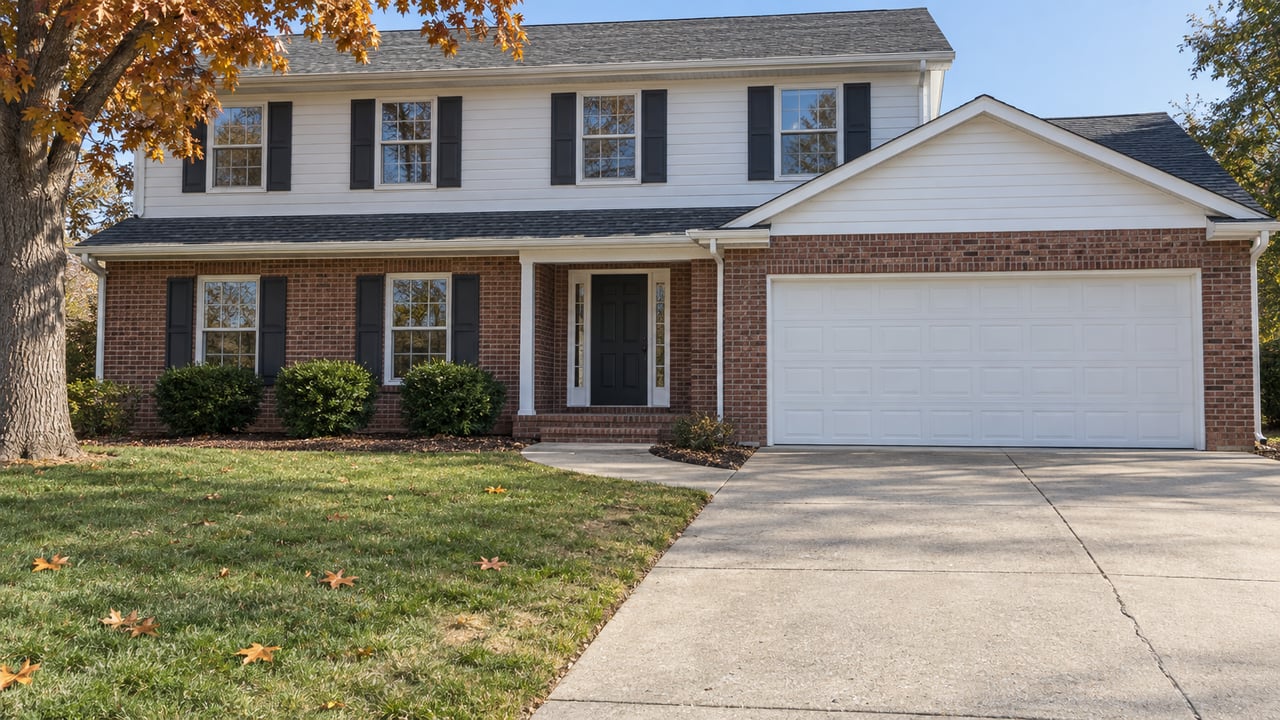
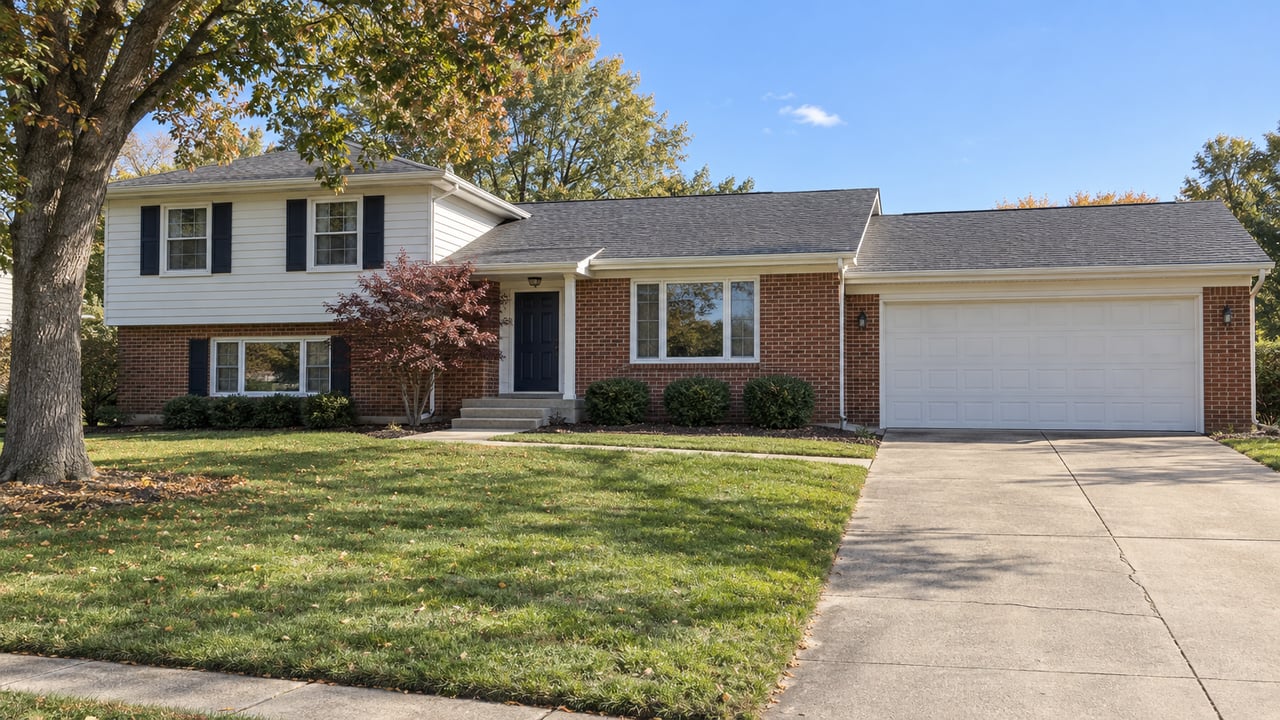
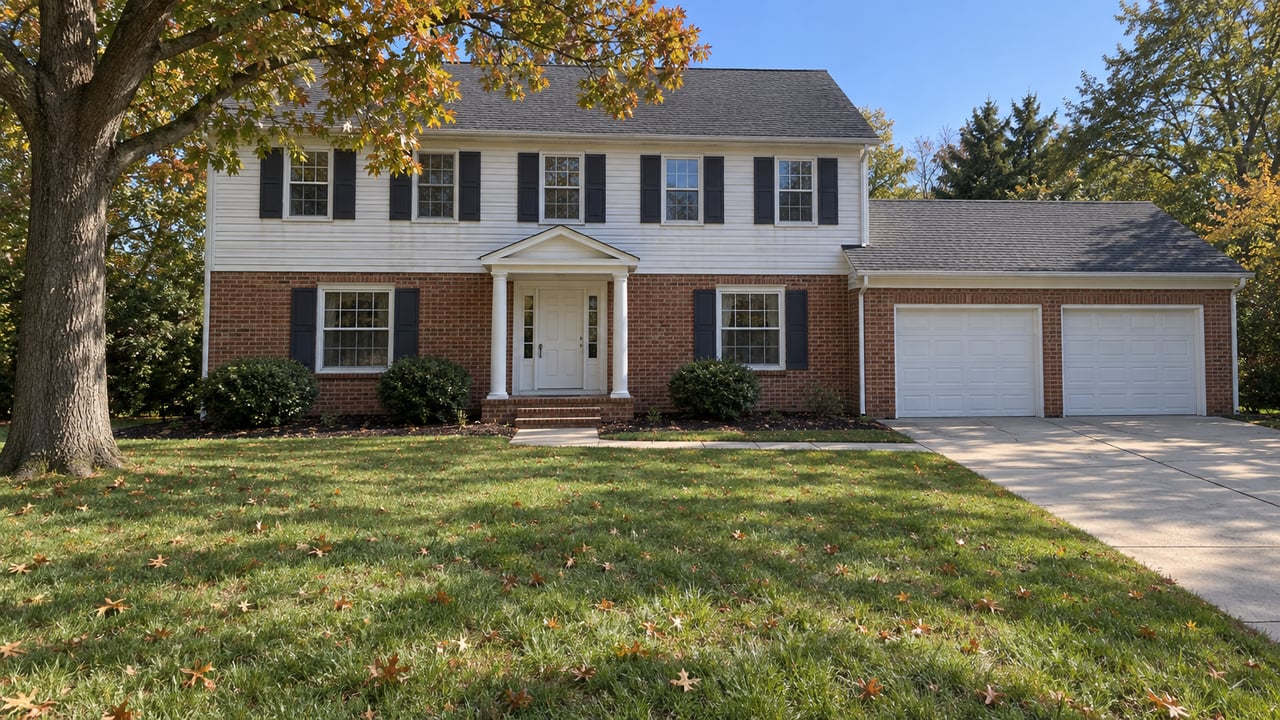
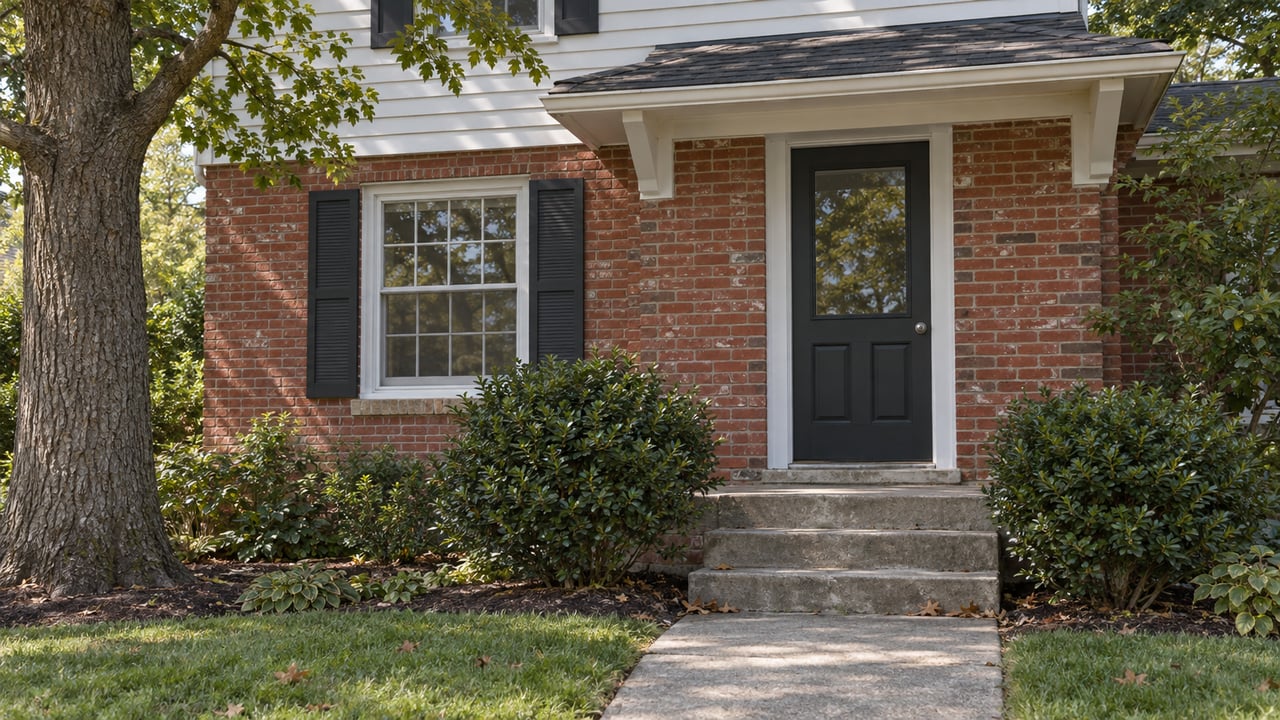
A buyer goes under contract on a wooded lot in Fairfax Station in the spring of 2026. The house checks every box. Four bedrooms, a finished walkout basement, room for the in-laws. Then, a week into the contract, the timeline shifts. The property is on a private well and septic system, and the buyer has requested an inspection as a condition of sale. That means, under HB 2671, a licensed inspector has to be hired under a written contract, the tank has to be pumped as part of the inspection, and the buyer is waiting on a report that state law now gives the inspector up to ten business days to deliver. None of this is a red flag. It is simply a step that Virginia REALTORS says didn't exist for Virginia home sales before July 1, 2025, and a lot of buyers comparing Fairfax Station to Burke or Springfield don't find out about it until they're already under contract.
That single fact points at something bigger about how to read this market. Fairfax Station's home values, by recent estimates, range from around $772,551 to $3,911,827, with a median estimated value near $1,202,657. That is an enormous spread for one place with one name. The instinct is to explain it with square footage or acreage, and those matter. But the sharper line running through Fairfax Station isn't a lot size. It's whether the house sits on county water and sewer or on a private well and septic field, and that line tracks closely with which side of Route 123 you're standing on.
The Line Route 123 Actually Draws
Local contractors who work Fairfax Station lots every week describe the split in blunt terms: properties west of Route 123 tend to run on private well and septic rather than county sewer, often on multi-acre parcels near Farrs Corner and Silverbrook Forest, while smaller, denser HOA-governed subdivisions sit closer to the highway corridor. That divide isn't cosmetic. It changes what a buyer is actually purchasing when they sign a contract, because a well and septic system comes with its own maintenance calendar, its own inspection law, and its own failure costs that a county-connected home simply doesn't carry.
Fountainhead is a useful example, because it shows the split doesn't map perfectly to lot size or HOA status either. It's a private community with an HOA that covers road maintenance and snow removal, which sounds like the kind of managed subdivision you'd expect to be tied into public utilities. Instead, a recent 5-acre lot listing there required a private well and a certified septic system for a five-bedroom drainfield, with the home itself held to a 2,000-square-foot minimum by the HOA's own covenants. The lot backs up to a ravine with seasonal views. It is priced and marketed like an estate property, and functionally, it is one, right down to the well the new owner will need to drill.
What Changed on July 1, 2025
Virginia's House Bill 2671 didn't get much attention outside real estate circles when it passed, but it rewired how septic systems get handled at the closing table. Before the law took effect, a septic inspection during a home sale was something a buyer could request, and many just waived it in a competitive market. Now, any inspection performed as part of a sale, refinance, or title transfer has to meet a specific standard: a licensed inspector, credentialed through the Virginia Department of Professional and Occupational Regulation, working under a signed contract that spells out the scope of work, examining every accessible component of the system including the tank, the pump, the distribution devices, and the drainfield, and delivering a written report within ten business days. Pumping the tank is no longer optional if a full inspection is being performed. If a seller declines to let the tank be pumped, that refusal has to be documented and signed.
For a Fairfax Station buyer, when a septic inspection is requested as a condition of sale, the timeline now includes a real, government-mandated step that a county-sewer property in Burke or Springfield doesn't need. It also means sellers have a new incentive to get ahead of it. A septic system that's been recently pumped and inspected, with the paperwork to prove it, is a cleaner story to tell a buyer than a system nobody has looked at in over a decade. The county's own rule, under Chapter 68.1 of the Fairfax County Code, already requires every onsite sewage system to be pumped at least once every five years. A seller who can point to that maintenance history is negotiating from a stronger position than one who can't.
Reading the Median Correctly
Fairfax Station's median sale price sat at roughly $1.1 million in January 2026, up 22.9 percent from the same month a year earlier, with homes selling in an average of 56 days compared to 70 days the year before. That's a market moving faster and pricing higher than it was twelve months ago. It's also a market where the wide range between the low $700,000s and nearly $4 million isn't noise. It's information. A buyer who assumes that range is purely about bedroom count is going to be surprised by what they find on a showing.
Here's what the infrastructure split actually costs, in practical terms:
| Cost Point | Well & Septic (typically west of Route 123) | County Water & Sewer |
|---|---|---|
| Water supply | Private well; drilling or replacement runs roughly $5,500 to $10,000 | County water bill, no drilling cost |
| Wastewater | Private septic system; when an inspection is requested as a condition of sale, state law sets the HB 2671 inspection standard, plus mandatory pump-out at least every 5 years under county code | County sewer connection; no septic maintenance |
| Pre-sale inspection cost | Typically $300 to $500 for a requested septic inspection | Standard home inspection only |
| Worst-case scenario | A failing system can cost $8,000 to $40,000 to repair or replace, depending on soil conditions and system size | Sewer lateral repair, |
None of this makes a well and septic property a worse buy. Plenty of Fairfax Station's most desirable wooded lots, the kind with ravine views and real privacy, only exist because they're far enough from the sewer service area that county sewer was never extended out to them. What it means is that the sale price of a well and septic home needs to be evaluated against a different set of ongoing costs than a home on public utilities, and, when an inspection is requested as a condition of sale, the ten-business-day inspection clock is part of the timeline regardless of which side of that price range the house falls on.
Comparing Fairfax Station to the Rest of the Map
For a buyer weighing Fairfax Station against Burke or Springfield, the honest comparison isn't median to median. It's asking a more specific question about each individual listing: is this house on county water and sewer, or is it on a well and septic system, and if it's the latter, when was the tank last pumped and does the seller have the paperwork to show it. If the house is on well and septic, the HB 2671 inspection window enters the closing timeline when an inspection is requested as a condition of sale; the utility setup also determines whether monthly ownership costs include a water bill or the long-term responsibility of maintaining a private system.
Fairfax County's Health Department keeps records of onsite sewage and well systems and makes them available to property owners and buyers on request, which is worth doing before falling in love with a listing rather than after writing an offer. The record will tell you what kind of system is in place and when it was last permitted, which is a more useful data point than the listing photos.
A Few Questions Worth Asking Before You Tour
How do I find out if a specific Fairfax Station house is on well and septic before I see it? Ask your agent to pull the property's status from the listing sheet, and if it's not clear, request the septic and well records directly from the local health department, which maintains them on file for properties with onsite systems.
What happens if the septic inspection finds a problem after I'm already under contract? Under HB 2671, the inspector's written report has to be delivered within ten business days and must document the system's condition and maintenance history. If it reveals a problem the seller didn't disclose, that becomes a point of negotiation
Does the new law apply to every home with a septic system, or just certain sales? The inspection standard applies whenever a septic inspection is requested as a condition of a sale, refinance, or title transfer, which in practice covers the large majority of Fairfax Station transactions involving a private system.
If you're comparing a wooded lot in Fairfax Station against a subdivision closer to public utilities, the conversation worth having isn't about the median price. It's about what's actually running under the yard. Wasinger & Co works Fairfax Station regularly enough to know which pockets carry which infrastructure, and we're happy to walk through what that means for your specific search. Get Your Free Home Valuation and let's talk about what your money is actually buying.
This article is general information, not legal, tax or financial advice. Consult a qualified professional about your situation.