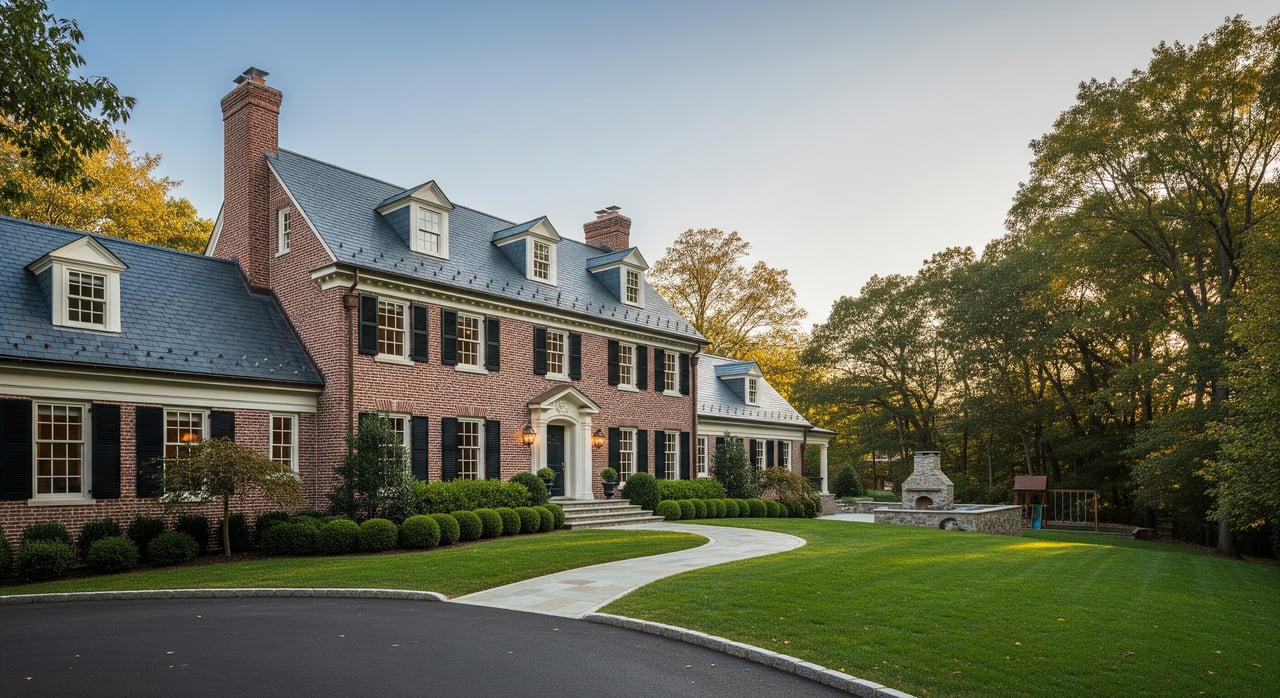
Thinking about a move and craving more space and quiet without leaving Northern Virginia? Fairfax Station might be the sweet spot. You get larger lots, wooded views, and access to great parks while staying connected to major job centers. In this guide, you’ll compare Fairfax Station with nearby Burke and the City of Fairfax, understand housing and commute trade-offs, and get a practical checklist to shop with confidence. Let’s dive in.
Fairfax Station at a glance
Fairfax Station sits in southern Fairfax County with a suburban to semi-rural feel. You’ll see mature trees, winding roads, and lower housing density than many other parts of the county. Most homes are single-family properties with 3 to 5 or more bedrooms.
Walkability is limited on many streets, and sidewalks can be sparse. The trade-off is privacy and yard space. Outdoor recreation is a strength, with regional parks and trail systems close by.
How Fairfax Station compares nearby
Fairfax Station vs Burke
- Fairfax Station offers larger lots, more privacy, and a quieter setting. You’ll find many half-acre properties and some over an acre.
- Burke, including Burke Centre, has more planned amenities, community centers, and neighborhood pools. Lots are smaller and homes are closer together.
- Burke Centre has a Virginia Railway Express (VRE) station, which adds a convenient rail option for some commuters.
Fairfax Station vs City of Fairfax
- The City of Fairfax provides a compact downtown with more restaurants, retail, and cultural options. It also offers closer access to George Mason University and I-66.
- Fairfax Station is less walkable but delivers more space and yard privacy. If you want a bigger lot and a quieter setting, Fairfax Station tends to fit better.
Housing and lots: what to expect
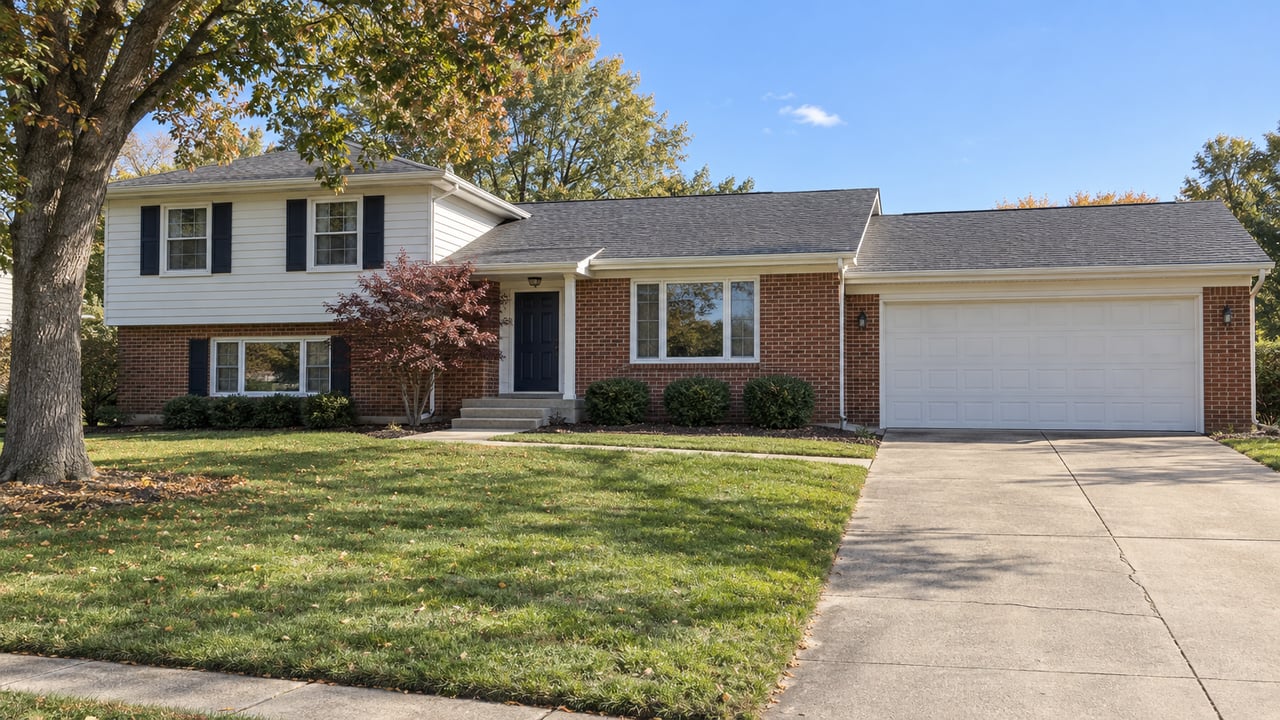
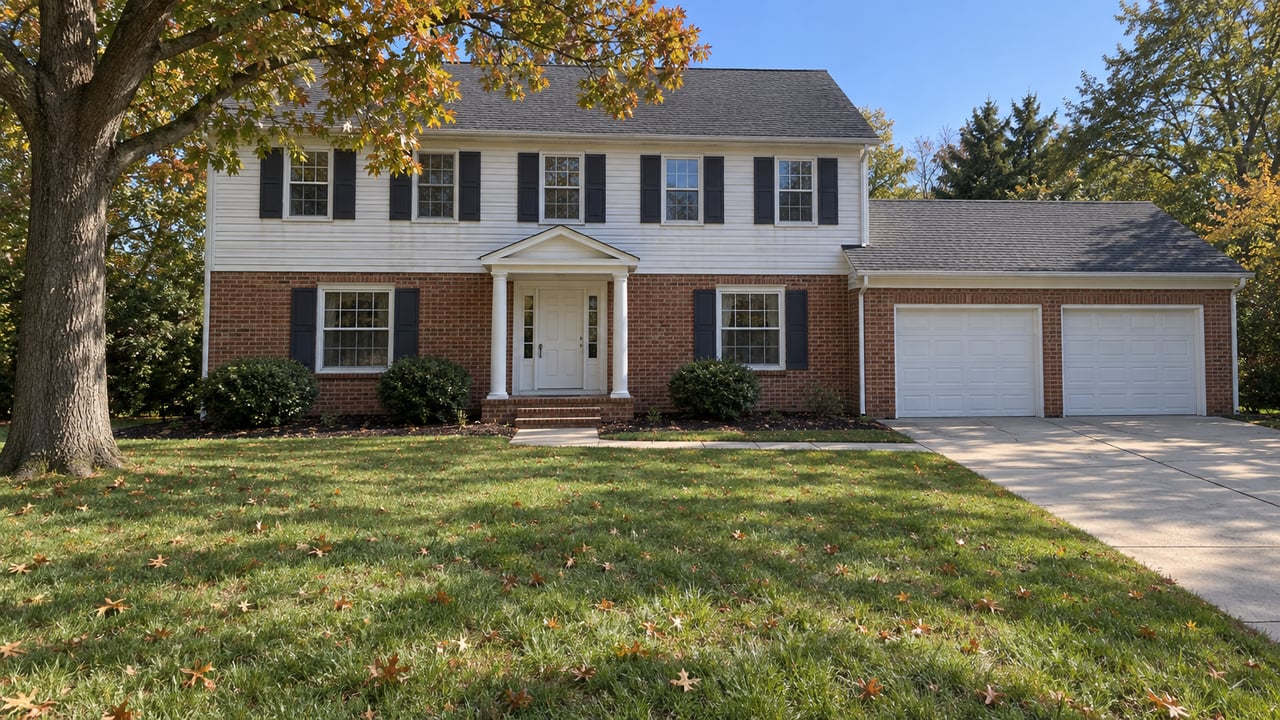
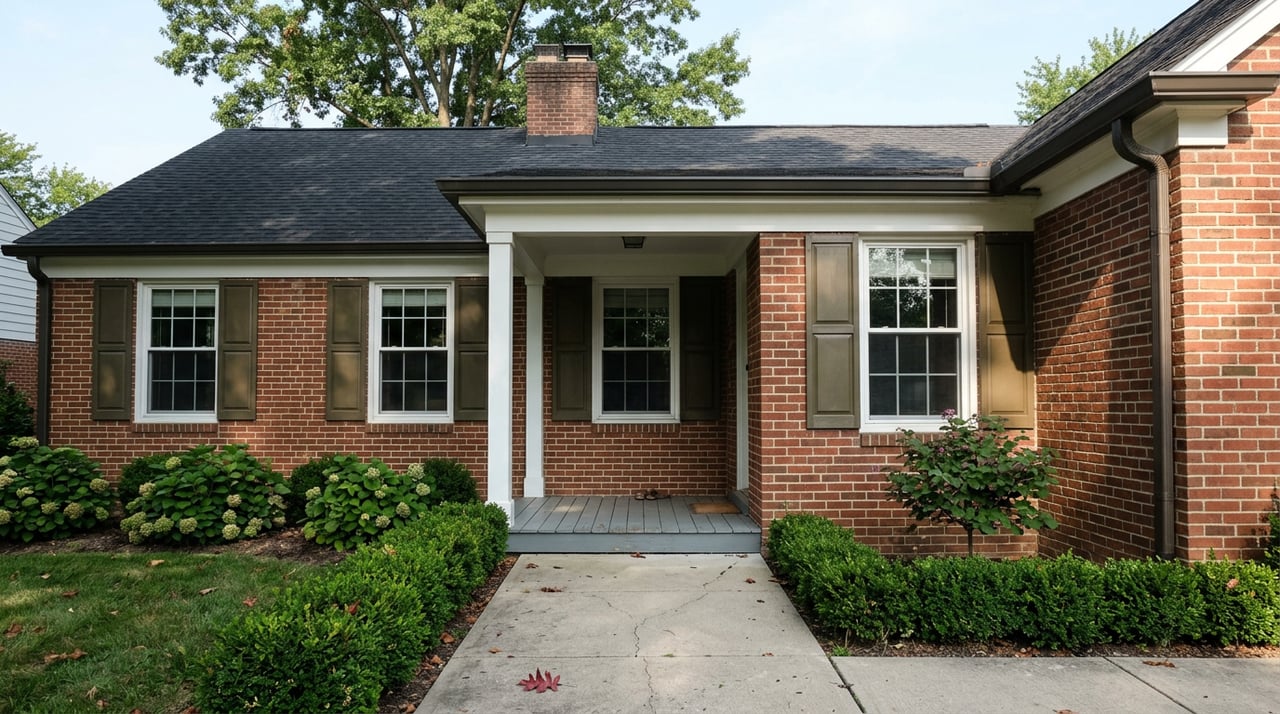
Most homes in Fairfax Station are single-family detached, ranging from colonials and split-levels to contemporary ranches and occasional custom or estate homes. Townhomes and condos exist but are less common than in Burke or the City of Fairfax.
Lot sizes are a key draw. Half-acre lots are common, and you will see pockets of 1 acre or more. Heavily wooded sites offer backyard privacy and shade. With larger lots, plan for more yard upkeep and tree care.
Ages and renovations vary. Some homes date to the mid-20th century, while others are newer or custom infill. Older properties may need system upgrades like HVAC, windows, and roofs. With bigger homes and lots, factor in higher ongoing maintenance costs.
Utilities can differ by subdivision. Many homes use public water and sewer, but some may have well or septic. Always verify for a specific property, and request service and inspection records.
Commute and transportation
Fairfax Station’s main driving routes include Fairfax County Parkway (Route 286), Route 123 (Ox Road), and Pohick Road, with connections to I-66 and I-495. Commute times depend on your destination and time of day. Trips to Fairfax, West Springfield, or Tysons often range from 15 to 35 minutes. Arlington and downtown D.C. can take 35 to 60 minutes or more during peak periods. Expect variability on major corridors.
For a real-world check, use commute-time tools and drive your route at rush hour. The Virginia Department of Transportation’s travel resources can help you assess patterns and delays. You can review current conditions on the VDOT travel page.
- Check road conditions with the Virginia Department of Transportation travel resources.
Metro and VRE access
There is no Metrorail station within Fairfax Station. Many residents drive to nearby stations for park-and-ride access. The Vienna/Fairfax–GMU station on the Orange Line is a common choice.
- Review the Vienna/Fairfax–GMU Metro station guide.
For commuter rail, the Burke Centre VRE station on the Manassas Line is a frequent option for Fairfax Station residents. Driving and parking at the station is a typical pattern for VRE riders.
- Explore the VRE Burke Centre station.
Bus, biking, and sidewalks
Fairfax Connector and other commuter buses serve parts of southern Fairfax County, but service is more limited within Fairfax Station than in denser areas.
- See routes on the Fairfax Connector system page.
Bike and pedestrian infrastructure is not continuous on most residential streets. Off-road trails in parks exist, but sidewalk coverage varies. If walking or biking to school is important, verify routes and bus eligibility for a specific address.
Schools and family resources
Fairfax Station is served by Fairfax County Public Schools (FCPS). School assignments depend on your exact address and can change over time. Always confirm using the official boundary tools and reach out to FCPS for updates.
- Confirm your assigned schools with the FCPS boundary locator.
- Review statewide performance data on the Virginia School Quality Profiles.
Childcare options are available in and around Fairfax Station, with many families also using providers in Burke, Springfield, and Fairfax. For healthcare, you have access to urgent care, pediatric practices, and major hospitals within a reasonable drive, including health systems in Fairfax County and neighboring areas.
Amenities and recreation
If you love the outdoors, Fairfax Station delivers. Burke Lake Park offers trails, water views, a carousel and train ride, and year-round activities.
- Plan a visit to Burke Lake Park.
You also have quick access to regional parks and trails, including waterfront recreation at Pohick Bay.
- Explore Pohick Bay Regional Park.
Day-to-day shopping and dining are more concentrated in nearby Burke and the City of Fairfax. If you want a quick coffee run or a wide restaurant choice, expect a short drive.
Is Fairfax Station right for you? Pros and cons
Pros
- Larger lots with room to play, garden, or add outdoor features.
- Quieter streets and lower housing density.
- Strong regional access to parks, trails, and outdoor experiences.
- Access to the county’s large public school system, with many program options.
Trade-offs
- Vehicle-dependent living and limited transit within the neighborhood.
- Fewer walkable shops and restaurants nearby.
- Higher maintenance costs tied to larger homes and yards.
- Sidewalks and bike lanes can be limited on local streets.
Smart buyer checklist for Fairfax Station
Use this quick list to focus your tours and due diligence:
- Confirm school boundaries for the address using FCPS tools and ask for current performance reports.
- Verify utilities: public water and sewer, or well and septic. Request inspection and service records.
- Confirm lot size, property lines, easements, and any tree protections or setback rules.
- Check HOA status, covenants, and fees if applicable.
- Test your commute by driving the actual route at peak times. Consider park-and-ride for Metro or VRE.
- Confirm internet options for remote work and streaming.
- Ask for recent utility bills, tax bills, and any neighborhood maintenance responsibilities.
- Review floodplain maps if near waterways, and assess drainage on site.
- Order a thorough home inspection, with special attention to roof, HVAC, windows, electrical, and any well or septic systems.
Your next step
If you want space, privacy, and a quieter setting while staying within reach of jobs and amenities, Fairfax Station deserves a close look. You may also compare it to Burke for neighborhood amenities or to the City of Fairfax for walkability and dining. When you are ready to tour homes, confirm school boundaries, test-drive commutes, and evaluate utilities and lot features so you can buy with confidence.
Have questions or want a tailored list of homes that match your wish list? Connect with Wasinger & Co Properties for local guidance, private tours, and a plan that fits your family.
FAQs
How long are commutes from Fairfax Station during rush hour?
- Commute times vary by route and destination. Plan 15 to 35 minutes for nearby hubs like Fairfax, West Springfield, or Tysons, and 35 to 60 minutes or more for Arlington and D.C., then test-drive your route at peak times and use VDOT travel tools.
Which schools serve homes in Fairfax Station?
- Assignments depend on your specific address and can change. Verify using the FCPS boundary locator and review performance on the Virginia School Quality Profiles.
Are well and septic common in Fairfax Station?
- Many homes use public systems, but some properties may have well or septic. Confirm utility type for each listing and request inspection and service records during due diligence.
What home styles are typical in Fairfax Station?
- Most properties are single-family detached homes, including colonials, split-levels, contemporary ranches, and occasional custom or estate homes. Townhomes and condos are less common than in Burke or the City of Fairfax.
How does Fairfax Station compare to Burke for amenities?
- Burke offers planned amenities, community centers, and a VRE station, with smaller lots and more neighborhood services. Fairfax Station trades some convenience for larger lots, privacy, and a quieter setting.