Thinking about selling your Fairfax Station home and wondering where to start? You want a smooth sale, a strong price, and no last-minute surprises. The good news is you can control more than you think by focusing on condition, documentation, pricing, and timing. In this guide, you’ll learn exactly how to prepare a Fairfax Station property so it shows well, passes buyer and lender checks, and attracts qualified offers fast. Let’s dive in.
Know your Fairfax Station market
Fairfax Station is a higher-priced, low-inventory suburb where well-prepared single-family homes tend to move in weeks, not months. Market snapshots vary by source and date. Recent summaries show:
- Redfin, Jan 2026: median sale price about $1.075M with average days on market around 50–56.
- Realtor.com, Dec 2025: median listing price around $950K, about 60 days on market, and a sale-to-list ratio near 99%.
Numbers differ because of reporting periods, listing versus sold data, and small-sample swings in a community with limited monthly sales. Market snapshots depend on data provider and update date; your agent’s CMA is the right source for an asking price tied to current comps.
Handle septic, well, and lot-specific details early
Many Fairfax Station homes sit on larger lots with private well and septic systems. Buyers and lenders pay close attention to these systems, and the county has rules that directly affect your sale.
- Septic systems. Fairfax County requires septic tanks to be pumped at least once every five years. If you have an onsite sewage system, confirm your county permit file, current bedroom capacity approval, and pump-out history. Share pump-out receipts and approval letters with buyers. Learn more about county requirements on the Fairfax County Health Department’s page for Onsite Sewage and Private Well Systems.
- Well water. The county offers a for-sale well evaluation that includes bacteriological testing. This is a smart step to reassure buyers and avoid delays. Review inspection options on the Environmental Health Inspections overview.
- Perc and permits. If your property has a recorded perc or septic layout, gather those records now. Buyers value clear capacity and permit documentation.
Get ahead of inspections and disclosures
You reduce contract risk when you surface key reports and disclosures before listing.
- Wood-destroying insects. Termite and other WDI reports are commonly requested by lenders in our region. Getting a current NPMA-33 style report early can prevent last-minute repairs and underwriting delays. See why this matters in this industry overview on inspection fall-out and WDI timing.
- Pre-listing home inspection. For older or custom homes, a pre-listing inspection lets you choose repairs on your schedule, pick contractors, and disclose findings up front. It can reduce renegotiations and cancelled contracts. Learn how it works in this pre-listing inspection guide.
- Lead-based paint. If your home was built before 1978, federal law requires you to provide buyers the EPA/HUD lead pamphlet, deliver a signed disclosure, and offer a 10-day inspection window unless waived. Review the rules and required pamphlet via this lead disclosure resource.
- Virginia disclosures. Make sure you’re using the current state forms. The official source is the Virginia DPOR Residential Property Disclosures.
Price and timing strategy that works here
In Fairfax Station, pricing in line with recent closed comps and condition draws the widest pool of buyers. Listing too high often leads to longer market time and price reductions.
- Use current comps. Ask for a live CMA that reflects your home’s condition, updates, lot, and systems.
- Time your launch. Suburban Northern Virginia often sees stronger activity in spring and early summer. Many studies also show that mid-week launches, especially on Thursday, increase weekend showings. Treat this as a data-informed guideline, not a guarantee.
- Concentrate interest. If demand is strong, consider a short initial marketing window with an open house the first weekend and a clear offer deadline. Your agent will tailor this to current buyer traffic.
Prep and staging that move the needle
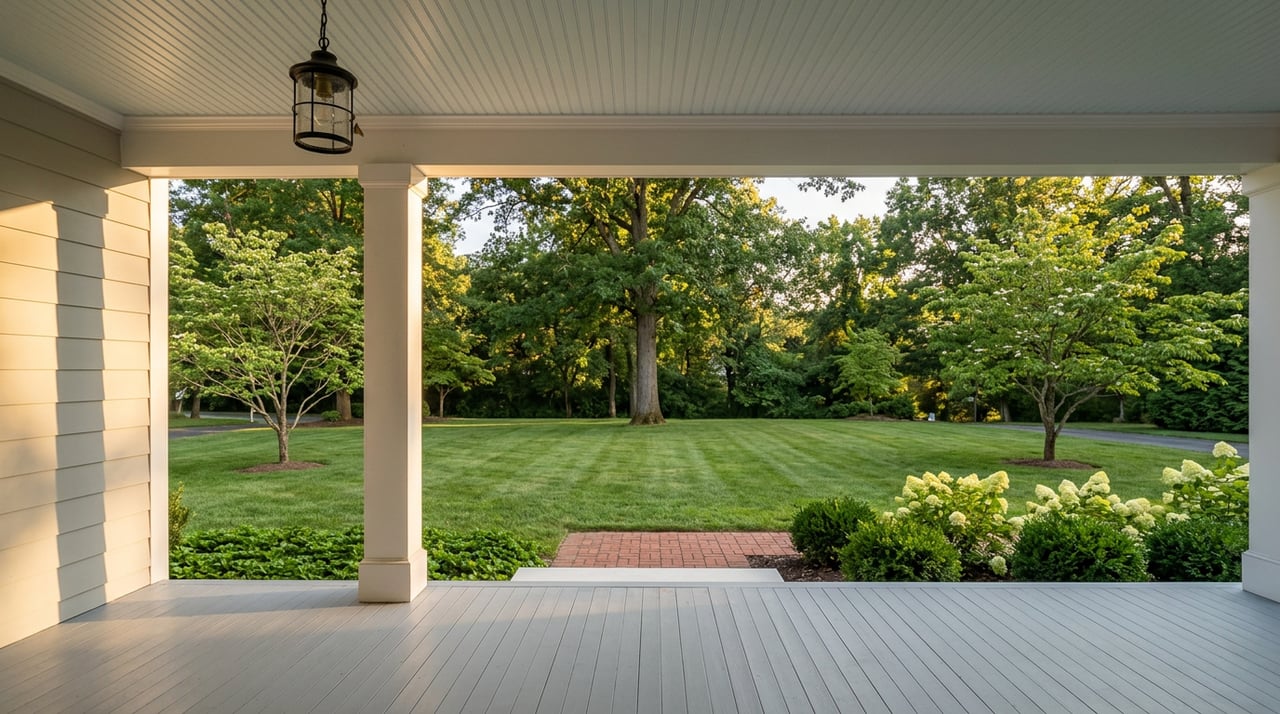
Buyers in Fairfax Station value clean, well-lit, neutral spaces with updated fixtures and strong curb appeal. Focus your time and budget where it counts.
- Prioritize safety and systems. Service HVAC, check the water heater age and function, and address any visible moisture or electrical panel issues. These items can affect financing or trigger large repair credits. For general cost and ROI context on common updates, review this home remodeling overview.
- Stage key rooms. The National Association of Realtors reports that staging helps buyers visualize a property and can reduce time on market. The living room, primary bedroom, and kitchen are the most important rooms to stage. See the data in NAR’s Profile of Home Staging.
- Elevate photos. Invest in pro photography, a measured floor plan, and a short video or 3D tour if it suits your layout. Strong visuals boost clicks and showings.
- Cosmetic refresh. Fresh neutral paint, modern lighting and hardware, tidy landscaping, clean windows, and a crisp front door can have outsized impact. In kitchens and baths, targeted mid-range updates typically return better value than over-customized choices.
Your Fairfax Station pre-list checklist
Use this step-by-step list to prepare with confidence.
High-priority items
- Confirm sewer or septic. If septic, order a pump-out if needed, then gather the permit file, bedroom capacity approval, and pump-out receipt. Share them with your listing packet. Review county expectations on sewage and well systems.
- For wells. Schedule the county’s for-sale well evaluation or a recent water test, and locate your well permit. See inspection options on the county’s inspections page.
- Order a WDI/termite report. Use a local, licensed provider. Lenders often request this, and early action prevents delays. Read more about WDI timing and lender requests in this industry article.
- Consider a pre-listing inspection. Especially helpful for older or custom homes. It lets you control timing and budget for repairs. Here’s a plain-English pre-listing overview.
- Pull permits and records. Ask your agent to help retrieve Fairfax County PLUS permit history and septic or perc records so you can answer buyer questions quickly.
- Lead disclosure if applicable. For homes built before 1978, prepare the required pamphlet and signed disclosure, and plan for the 10-day inspection window unless waived. Details are in this lead disclosure guide.
Preparation and presentation
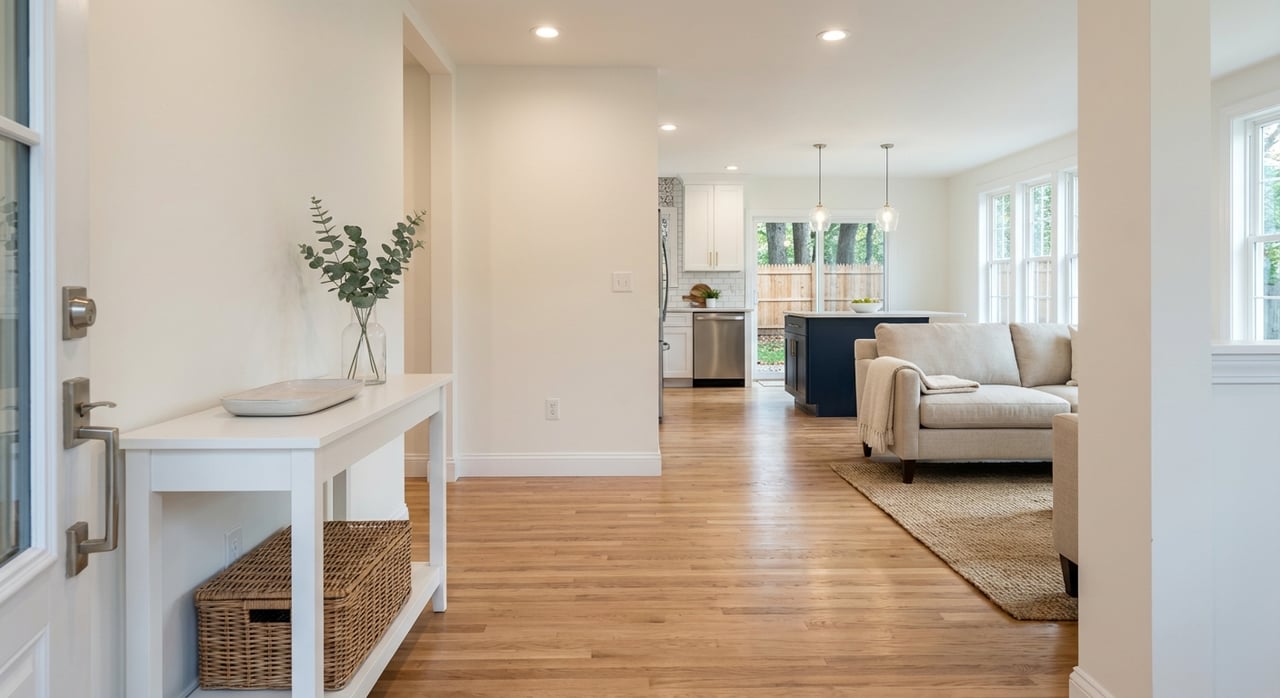
- Declutter and deep clean. Focus on the living room, primary bedroom, and kitchen. Use simple, neutral styling based on NAR’s staging priorities.
- Professional visuals. Book photos, a floor plan, and a short video or 3D tour. Schedule your listing to publish mid-week to maximize weekend traffic.
- Launch plan. If appropriate, host an open house the first weekend and set a clear offer deadline to concentrate interest.
Lower-cost, high-impact fixes
- Paint touch-ups and neutralize bold colors.
- Update lighting, cabinet hardware, and faucets.
- Tidy garages, basements, and attics. Buyers open every door.
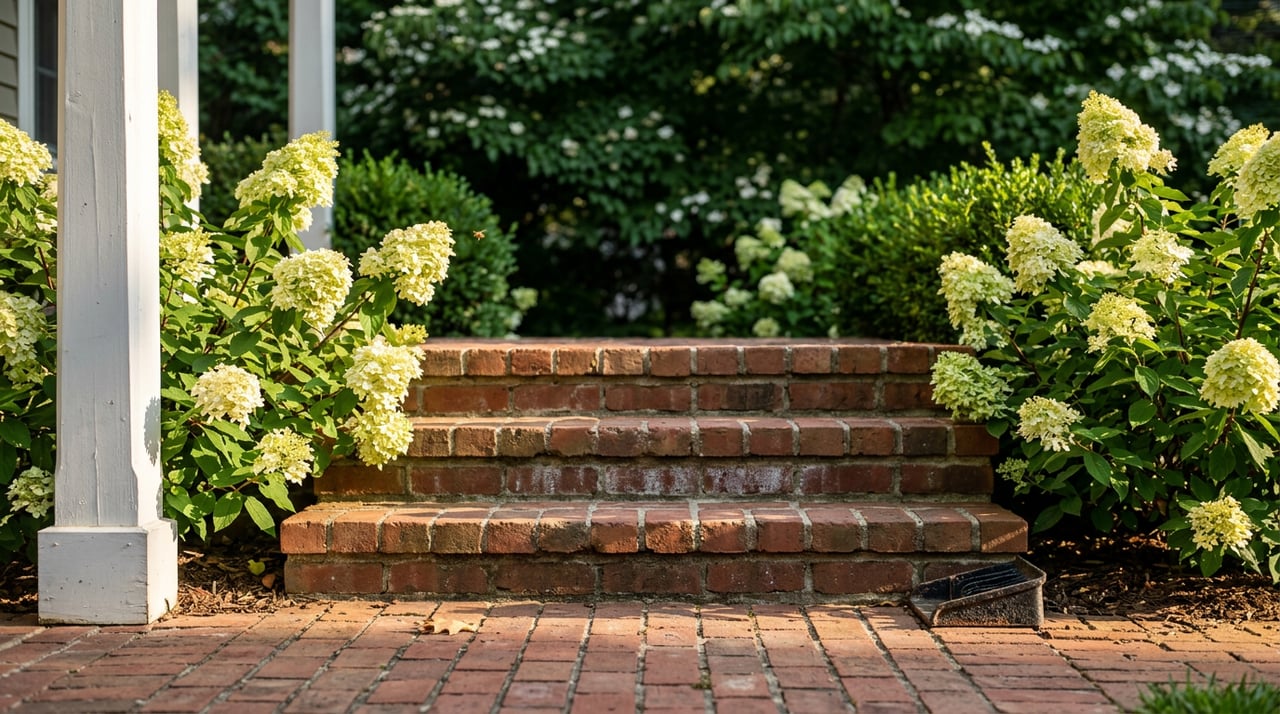
- Improve curb appeal with mulch, trimmed shrubs, and a refreshed front door.
When to hire a full-service, hands-on listing agent
- Complex systems or title questions. Septic, perc approvals, private wells, unpermitted work, or estate sales call for an experienced local coordinator who knows county processes and vendors. Start with Fairfax County’s sewage and well program to understand documentation.
- High-value or luxury listings. Bespoke marketing, professional staging coordination, and skilled pricing strategy can materially affect net proceeds. Ask for proof of results in your submarket.
- Tight timelines or limited availability. If you are relocating, sharing decision-making across several parties, or cannot manage showings and contractors, full-service support reduces risk. For perspective on process and deal management, see this transaction training reference.
How Wasinger & Co helps you sell well
You do not have to manage this alone. Our boutique team pairs neighborhood-level pricing expertise with hands-on listing prep and staging. We help you prioritize repairs, coordinate septic and well paperwork, schedule WDI and pre-list inspections, and launch with professional visuals and a smart timing plan. If you want a steady, proven process that protects your time and your bottom line, we are ready to help.
Ready to talk strategy for your Fairfax Station home? Connect with Wasinger & Co Properties for a free, data-backed valuation and a tailored prep plan.
Local resources
- Fairfax County Health Department: Onsite Sewage and Private Well Systems — permitting, pump-out rules, contractor lists. Phone: 703-246-2201.
- Fairfax County Environmental Health: Inspections Overview — for-sale well evaluations and OSS inspections.
- Virginia DPOR: Residential Property Disclosures — current state disclosure forms and rules.
- NAR: 2023 Profile of Home Staging — staging impact and room priorities.
- Termite/WDI context: Inspection fall-out and lender requests.
- Pre-listing inspection guide: What a pre-listing inspection covers.
- Remodel cost and ROI context: Home remodeling costs.
FAQs
How long do homes take to sell in Fairfax Station?
- Market snapshots vary by source. Recent summaries show roughly 50–60 days on market on average, with pricing, condition, and timing making a big difference. Ask for a local CMA for the most current read.
What septic and well paperwork do Fairfax Station sellers need?
- Provide septic pump-out receipts, county permits and approvals with current bedroom capacity, and any well permits and water test results. Fairfax County offers for-sale well evaluations and maintains permit records.
Do I need a termite inspection to sell in Northern Virginia?
- Many lenders request a wood-destroying insect report. Getting a current NPMA-33 style report before listing helps prevent delays and surprise repairs.
Do I need to disclose lead-based paint in Fairfax Station?
- If your home was built before 1978, federal law requires a lead disclosure, delivery of the EPA/HUD pamphlet, and a 10-day inspection option unless the buyer waives it.
Is a pre-listing home inspection worth it?
- For older or custom homes, yes. It lets you identify and fix issues on your timeline, choose contractors, and reduce the risk of renegotiations and fall-throughs.
When is the best time and day to list?
- Spring and early summer often bring more buyers in suburban Northern Virginia. Many studies suggest a mid-week launch, especially Thursday, to capture weekend showings. Your agent will tailor this to current demand.