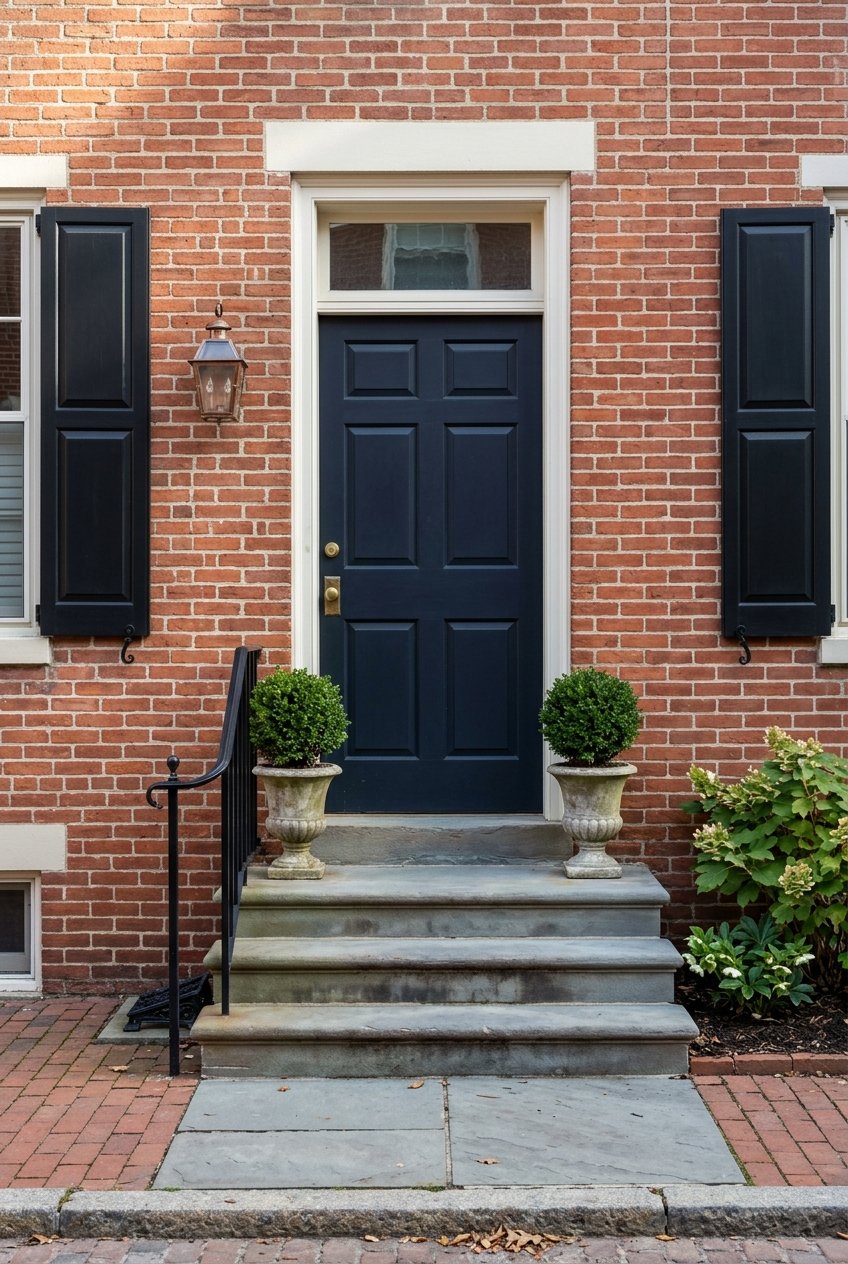
Selling a historic home in Old Town Alexandria is not the same as selling a newer property down the street. Buyers are often drawn to the charm, craftsmanship, and story behind these homes, but they also pay close attention to condition, documentation, and what local preservation rules may mean for future changes. If you want a smoother sale and fewer surprises, it helps to prepare early. Let’s dive in.
Start With Historic District Rules
Before you list your home, confirm whether it falls within the locally regulated Old & Historic Alexandria District, often called OHAD, or whether it has a designated One Hundred-Year-Old Building status. According to the City of Alexandria Historic Preservation division, OHAD is one of the oldest historic districts in the country and is regulated locally through the Board of Architectural Review, or BAR.
This distinction matters because local regulation is what affects exterior work. The city notes that while Alexandria has several National Register historic districts, only OHAD and Parker-Gray are locally regulated by BAR. That means National Register status alone does not create the same local review requirements.
Know What BAR Reviews
If your home is in OHAD, a Certificate of Appropriateness is required for new construction and for exterior alterations visible from a public right of way. A Permit to Demolish is required for demolition or capsulation of more than 25 square feet, whether or not that area is visible. The city also confirms that interior work does not require BAR approval.
For sellers, the practical takeaway is simple: if you completed exterior work, or plan to do it before listing, check whether the work required review. The city’s preservation guidance and application information also explains that some projects may be approved administratively, and complete applications for that route usually take less than five business days. Full BAR hearings happen on the first and third Wednesday of each month, except August, and complete applications must be submitted at least 30 days before the hearing.
Focus On Features Buyers Notice
Alexandria’s design guidance gives you a good preview of the exterior details that often matter most. The city highlights features such as masonry, roofing, siding and trim, windows and shutters, doors, dormers, fences, gates and walls, chimneys, skylights, solar systems, and stoops, steps, and railings.
Those are also the features many buyers notice first when they view a historic property. If your home has original or older materials, buyers may ask whether they were repaired, restored, or replaced, and whether any work was approved when needed. Having clear answers can build confidence.
Check Contributing Status Carefully
You may also hear the terms contributing and non-contributing when discussing a historic property. The Virginia Department of Historic Resources explains that a contributing resource generally dates to the historic period of the district, relates to its themes, and retains historic integrity. A non-contributing resource may fall outside that period, may not relate to the district’s themes, or may have been altered enough to lose integrity.
That status can shape buyer expectations, but it does not automatically remove local review requirements. In a locally regulated district, exterior work visible from the public right of way may still go through the city’s review framework. In some cases, DHR notes that a non-contributing property can even become contributing again through restoration or removal of later substitute materials.
Address Condition Before You List
Historic charm can attract attention fast, but condition still drives inspections, appraisals, and buyer confidence. Guidance from the National Park Service on controlling moisture points to common trouble spots such as roofs, cracks in walls, and open joints around windows and doors where water can enter.
That lines up with broader inspection concerns for older homes. The research consistently points sellers toward the same areas: roofs and gutters, flashing, masonry and mortar, wood trim and siding, windows and doors, drainage, crawl spaces, and wood-destroying insects.
Watch For Moisture And Drainage Issues
Moisture is one of the biggest threats to an older home. If water has been getting in through the roof, masonry joints, poor drainage, or aging windows and doors, buyers and inspectors are likely to spot the signs.
Before listing, it is smart to review:
- Roof condition and visible wear
- Gutter and downspout performance
- Signs of masonry cracks or staining
- Rotted exterior wood
- Standing water near the foundation
- Crawl space moisture concerns
- Past or current termite activity
You do not need a perfect house to sell successfully. You do need a clear understanding of the property’s condition so you can price, market, and negotiate with fewer surprises.
Understand Appraisal Concerns
Older homes are absolutely financeable, but appraisers and lenders still look closely at safety, soundness, and marketability. Fannie Mae’s appraisal guidance states that older dwellings are acceptable and age alone is not a restriction.
For unique homes, appraisers may rely on older comparable sales, competing neighborhoods, and other reliable market data when needed. At the same time, Fannie Mae notes that issues such as dampness, infestation, or abnormal settlement must be addressed because they affect value and marketability. If major structural, safety, or condition problems exist, repairs or specialist inspections may be required before the loan can move forward.
Build A Strong Seller Document Package
One of the best ways to support your sale is to organize your records before your home goes live. Historic-home buyers often want the story of the home, but they also want proof of responsible ownership.
A strong package may include:
- Dates of major renovations
- BAR approvals or permit history for exterior work
- Maintenance records
- Roof replacement date
- HVAC update dates
- Plumbing and electrical upgrade dates
- Transferable warranties, if available
This kind of documentation helps buyers understand the difference between preserved historic character and deferred maintenance. It can also help appraisers and lenders evaluate the home with more confidence.
Stage To Highlight Architecture
When you market a historic home in Old Town, your goal is not to make it feel generic. It is to help buyers see the architectural details that make the property special. The National Association of REALTORS field guide to historic properties recommends learning the home’s history, understanding past renovations, and calling attention to historic details worth preserving.
In practical terms, that means staging should support the house, not compete with it. In Old Town, buyers are often drawn to features like original millwork, staircases, brick or masonry details, traditional windows and doors, fireplaces, and balanced façade proportions.
Helpful staging choices often include:
- Clearing visual clutter from entryways and mantels
- Letting trim, doors, and windows stay visible
- Using furnishings that fit the scale of the rooms
- Keeping color palettes calm and simple
- Highlighting natural light and sightlines
Be Ready To Explain Future Flexibility
Many buyers will ask some version of the same question: What can I change later? The answer depends on the property and on whether the work would be visible from the public right of way.
That is why it helps to explain, upfront, what exterior changes have already been reviewed, what was approved administratively versus by BAR hearing, and whether any planned work is still pending. Clear communication can prevent buyers from making assumptions about renovation freedom that do not match the city’s process.
Handle Last-Minute Projects Carefully
If you are thinking about making exterior improvements right before listing, timing matters. Administrative approvals can be quick when the application is complete, but full BAR review requires more lead time.
Even small details can matter. The city’s guide explains that painting previously unpainted masonry requires review, while exterior paint colors are generally treated as personal choice. The same guide also notes that buildings in OHAD must be kept in good repair, and if a vacant building is boarded, that boarding is considered an exterior alteration that can trigger BAR review.
Create A Smart Selling Plan
Selling a historic home in Old Town Alexandria usually works best when you treat preparation as part of the marketing strategy. Instead of waiting for buyers to uncover issues or questions, you can get ahead of them with documentation, thoughtful staging, and a clear explanation of how the home fits within Alexandria’s preservation framework.
That kind of preparation helps you protect the character buyers love while also reducing friction during inspections, appraisal, and contract negotiations. If you are planning to sell and want hands-on guidance with listing prep, staging, and positioning your home for today’s market, Wasinger & Co Properties is here to help.
FAQs
How do I know if my Old Town Alexandria home is locally regulated?
- You can confirm whether your property is in OHAD, Parker-Gray, or a designated One Hundred-Year-Old Building category through the City of Alexandria’s Historic Preservation resources and map tools on the preservation department page.
Does interior remodeling in Old Town Alexandria need BAR approval?
- No. The City of Alexandria states that interior work does not require Board of Architectural Review approval.
Does National Register status mean my Alexandria home is locally regulated?
- No. The Virginia Department of Historic Resources explains that National Register designation does not by itself prevent changes, demolition, or use changes, and the City of Alexandria says National Register districts alone are not regulated by its Historic Preservation department.
Can I freely alter a non-contributing historic property in Old Town Alexandria?
- Not necessarily. Non-contributing status affects preservation significance, but exterior alterations visible from the public right of way may still require review under the city’s local rules.
How much time should I allow for exterior approvals before listing a historic Alexandria home?
- Administrative approvals may be completed in less than five business days when the application is complete, but full BAR hearings require advance submission and scheduling, so exterior projects should not be treated as a last-minute task.